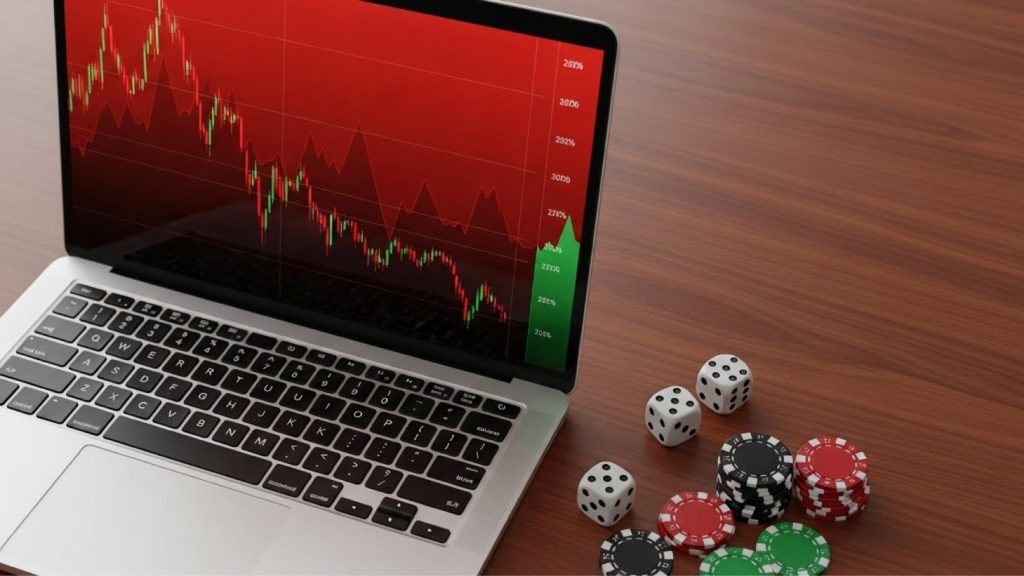
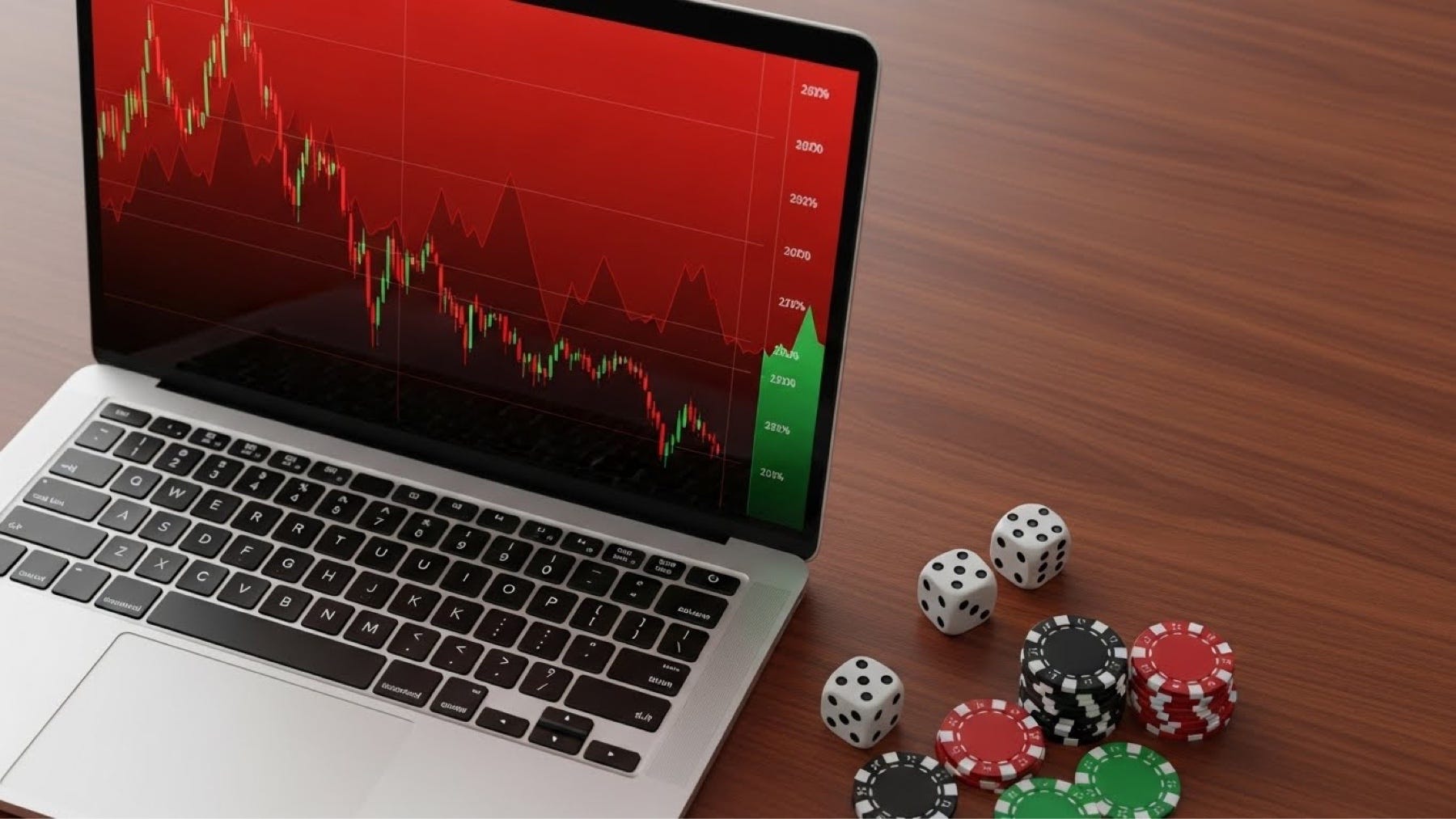
Many people misunderstand trading. Some believe it is similar to gambling because money is involved and outcomes are uncertain. However, professional trading is built on structure, analysis, and discipline. The key difference between trading and gambling is skill and risk management.
Understanding this difference is essential for anyone who wants to succeed in the financial markets.
The Key Difference Between Trading and Gambling
Gambling depends mostly on luck. The outcome is random, and the player has little to no control over probabilities.
Trading, on the other hand, involves:
- Market analysis
- Risk management
- Strategy development
- Emotional discipline
- Performance tracking
Professional traders make calculated decisions based on data and structured plans—not guesses.
Trading Requires Education and Practice
Just like any profession, trading requires learning. Successful traders invest time in:
- Understanding how markets move
- Studying price behavior
- Learning risk management techniques
- Practicing on demo accounts
Without education, trading can feel like gambling. With proper knowledge, it becomes a structured skill.
Risk Management Makes the Difference
In gambling, people often risk large amounts hoping for big rewards.
In trading, disciplined traders:
- Risk only a small percentage per trade
- Use stop-loss orders
- Protect their capital
- Focus on long-term growth
Managing risk transforms trading from emotional betting into professional decision-making.
Trading Is About Probability, Not Certainty
No trader can predict the market with 100% accuracy. Instead, trading is about probability—taking setups that have a higher chance of success over time.
Consistent execution of a well-tested strategy can produce steady results. This is how trading becomes a skill.
Gamblers chase losses and act on impulse.
Skilled traders:
- Accept losses calmly
- Avoid revenge trading
- Follow their plan strictly
- Stay patient during market fluctuations
Emotional discipline is a learned ability that improves over time.
Trading is not about one big win. It is about repeating disciplined actions consistently. Like any skill—sports, business, or medicine—improvement comes from practice, review, and refinement.
With the right mindset, education, and risk control, trading becomes a professional activity—not a gamble.
Final Thoughts
Trading only becomes gambling when there is no plan, no discipline, and no risk management. When approached with structure and responsibility, trading is a skill that can be developed and improved over time.
Success in trading is built on knowledge, patience, and consistency—not luck.