The oil world just changed — and that could have big effects for energy prices, global markets, and investors everywhere.
What’s New
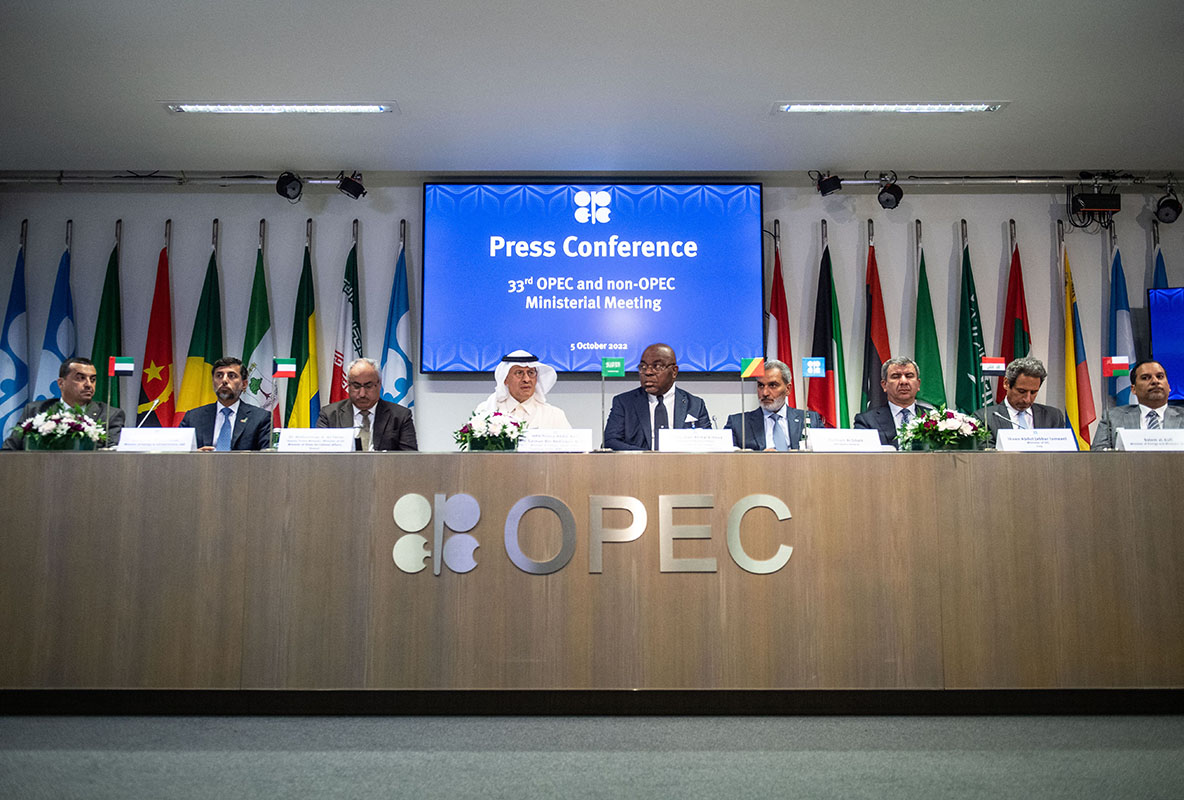
The cartel of oil-producing countries known as OPEC+ has agreed on a new system: starting in 2027, each member’s oil production quota will be based on its verified “maximum sustainable capacity” (MSC) rather than older, sometimes unfair quota systems.
Under the plan:
- Independent audits will check how much oil each country can reliably produce and maintain over time.
- After audits, quotas will be set according to real production capacity — meaning powerful, efficient producers get to pump more, while low-capacity or high-cost producers may get less.
Why This Matters
- More fairness and transparency. The old quota system was sometimes political or arbitrary. The new MSC-based approach aims to make oil supply quotas fair, transparent, and tied to real capacity.
- Bigger investments from capable producers. Members with low production costs — like Gulf producers — are expected to invest more in infrastructure to increase output, since their capacity and quota will rise.
- Possible shake-up for weaker producers. Countries with higher production costs, or under sanctions, may struggle to match required capacity levels — their quotas could be reduced, which could impact global oil supply balance.
- Market stability. With quotas aligned to real capacity and production potential, the oil market could face fewer surprises from sudden production swings — leading to more predictable prices.
What This Means for the Global Economy & Traders
- Oil prices may react to expectations of higher future supply if big producers expand. That can affect energy costs globally — from gas prices to inflation.
- Currencies and commodity-linked markets could shift: oil exporters’ currencies might strengthen if they gain larger production and revenue, while importers may feel pressure if oil costs rise.
- Traders should watch carefully: when production capacity audits begin (from January to September), and as the new quotas are set for 2027 — these events could bring volatility and opportunity.
What to Watch Next
- The audit process for production capacities in OPEC+ members (January–September 2026)
- Which countries increase capacity — Gulf producers seem likely; producers under sanctions may struggle
- How oil prices react — if supply increases, or if capacity gaps cause shortages
- Effects on related markets: energy stocks, commodity-linked currencies, inflation expectations
📝 Final Thought
The shift by OPEC+ to a capacity-based quota system could reshape global oil supply for years to come. For traders, investors, and markets — this is a major change. If you watch the capacity audits and quota announcements, there could be strong opportunities ahead.